3-Year LL.B.

Duration

3 Years · Six Semesters

Max Completion

7 Years from Admission

ADMISSIONS OPEN

2026-27

6

Semesters

7yrs

Max Period

BCI

Approved

Duration   5 Years
Maximum Period   7 years from the date of admission
Admissions Open for
2026–27

ADMISSIONS OPEN 2026-27

About the Programme

The LL.B (3-year) Programme is a postgraduate professional law degree designed for graduates seeking to pursue a career in law after graduation. Conducted over six semesters, the programme provides a structured foundation in substantive and procedural law.

The curriculum emphasises constitutional, criminal, civil and commercial law while fostering analytical engagement and professional responsibility. Academic study is supported by practical components including moot courts, internships, legal aid initiatives, court visits and drafting exercises, ensuring meaningful exposure to the practice of law.

Graduates of the programme are eligible to enrol as advocates in accordance with applicable regulatory norms and may pursue careers in litigation, judiciary, corporate practice and related legal fields.

Programme Details

Degree

LL.B. (Bachelor of Laws)

Type

Postgraduate Professional

Duration

3 Years (6 Semesters)

Max Period

7 Years from Admission

Affiliation

KSLU, Hubballi

Approved By

Bar Council of India

Programme Outcomes

01

To provide students with an in-depth and comprehensive legal education that covers various aspects of law, including both general and specialised areas.

01

To foster a culture of legal research, scholarly writing and critical analysis, encouraging students to contribute to legal academia.

01

To equip students with the necessary skills and knowledge to excel in the legal profession, including legal practice, advocacy and ethical conduct.

01

To expose students to International and Comparative law, promoting a global perspective and understanding of legal systems beyond their jurisdiction.

01

To offer opportunities for students to specialise in specific areas of law, enabling them to develop expertise in fields such as environmental law, intellectual property, human rights or corporate law.
Programme Objectives

PO1
Display their comprehension and expertise in Substantive Law, Procedural Law, and Constitutional Law.
PO2
Builds proficiency in conducting legal analysis and reasoning, legal research, problem-solving, written and oral communication in the legal context and applying it in legal practice and real-life situations.
PO3
Exhibit the professional skills essential for legal practice, including pleading, argument, drafting, conveyancing, collaboration, counselling and negotiation.
PO4
Enhance the skill to analyse legal aspects in connection with contemporary developments at National and International levels.
PO5
Demonstrate a thorough understanding of professional ethics, regulations and showcase their practical application in the field of legal profession.

Eligibility Criteria

Academic Qualification

Candidates seeking admission to the LL.B. (3-year) Programme must have completed an undergraduate degree in any discipline from a recognised university. The qualifying degree must be awarded by a university recognised by the Central or State Government in India or by an equivalent institution recognised in India.

Applicants are required to fulfil the minimum marks criteria prescribed by the competent authority. Admission shall be granted in accordance with the regulations of Karnataka State Law University, Hubballi, and the applicable norms of the Bar Council of India (BCI).

Percentage of Marks

Category

Min. Marks

General Merit

45%

OBC Category

42%

SC / ST / Cat-I

40%

Age Requirement

The age of the candidate at the time of admission shall be in accordance with the norms prescribed by BCI.

Curriculum Highlights

For a detailed semester-wise breakdown of subjects and credits, refer to the full syllabus.

Diverse Career Pathways

⚖ Litigation & Practice
Advocate (Civil, Criminal, Labour, Family Law)
Public Prosecutor
Legal Consultant
🏛 Judiciary & Court Research
Judicial Services
Law Clerk / Research Assistant
🏢 Government & Public Sector
Legal Officer in Government Departments
Legal Advisor in PSUs
Armed Forces – JAG Branch (if eligible)
🌐 Specialised Emerging Fields
Intellectual Property Rights (IPR)
Cyber Law Specialist
Medical & Health Law
Sports Law
Environmental Law
Alternative Dispute Resolution (ADR)
🎓 Academics & Universities
Assistant Professor (after LL.M & NET)
Research Fellow
Ph.D. Scholar
💼 Corporate & LPO
Legal Process Outsourcing (LPO)
Contract Management Specialist
Compliance Executive

Diverse Career Pathways

⚖ Litigation & Practice
Advocate (Civil, Criminal, Labour, Family Law)
Public Prosecutor
Legal Consultant
🏛 Judiciary & Court Research
Judicial Services
Law Clerk / Research Assistant
🏢 Government & Public Sector
Legal Officer in Government Departments
Legal Advisor in PSUs
Armed Forces – JAG Branch (if eligible)
🌐 Specialised Emerging Fields
Intellectual Property Rights (IPR)
Cyber Law Specialist
Medical & Health Law
Sports Law
Environmental Law
Alternative Dispute Resolution (ADR)
🎓 Academics & Universities
Assistant Professor (after LL.M & NET)
Research Fellow
Ph.D. Scholar
💼 Corporate & LPO
Legal Process Outsourcing (LPO)
Contract Management Specialist
Compliance Executive

Teaching Methodology

The teaching methodology at RVILS combines rigorous doctrinal study with structured practical exposure, preparing students to apply legal principles in real-world situations with clarity and confidence

Classroom learning is rigorous and participative. Faculty members use case-law analysis, statutory interpretation, structured discussions, debates, problem-based learning and moot simulations to build critical reasoning and advocacy skills. Emphasis is placed on constitutional values and the application of law to contemporary issues.

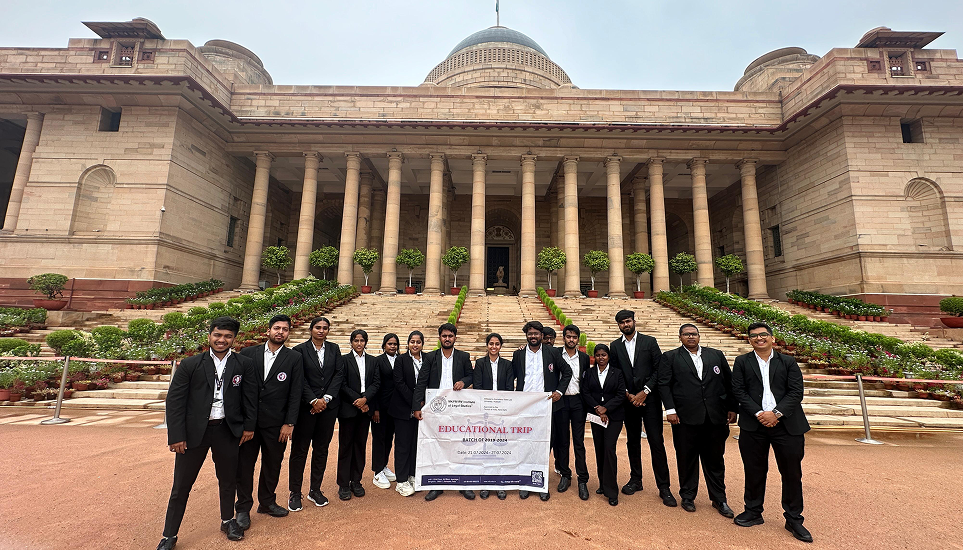
To bridge theory and practical knowledge, organised visits are conducted to courts, tribunals, prisons, police stations, forensic laboratories, legislative bodies and legal aid centres. These engagements provide first-hand insight into the functioning of the justice delivery system and deepen understanding of procedural and institutional processes.

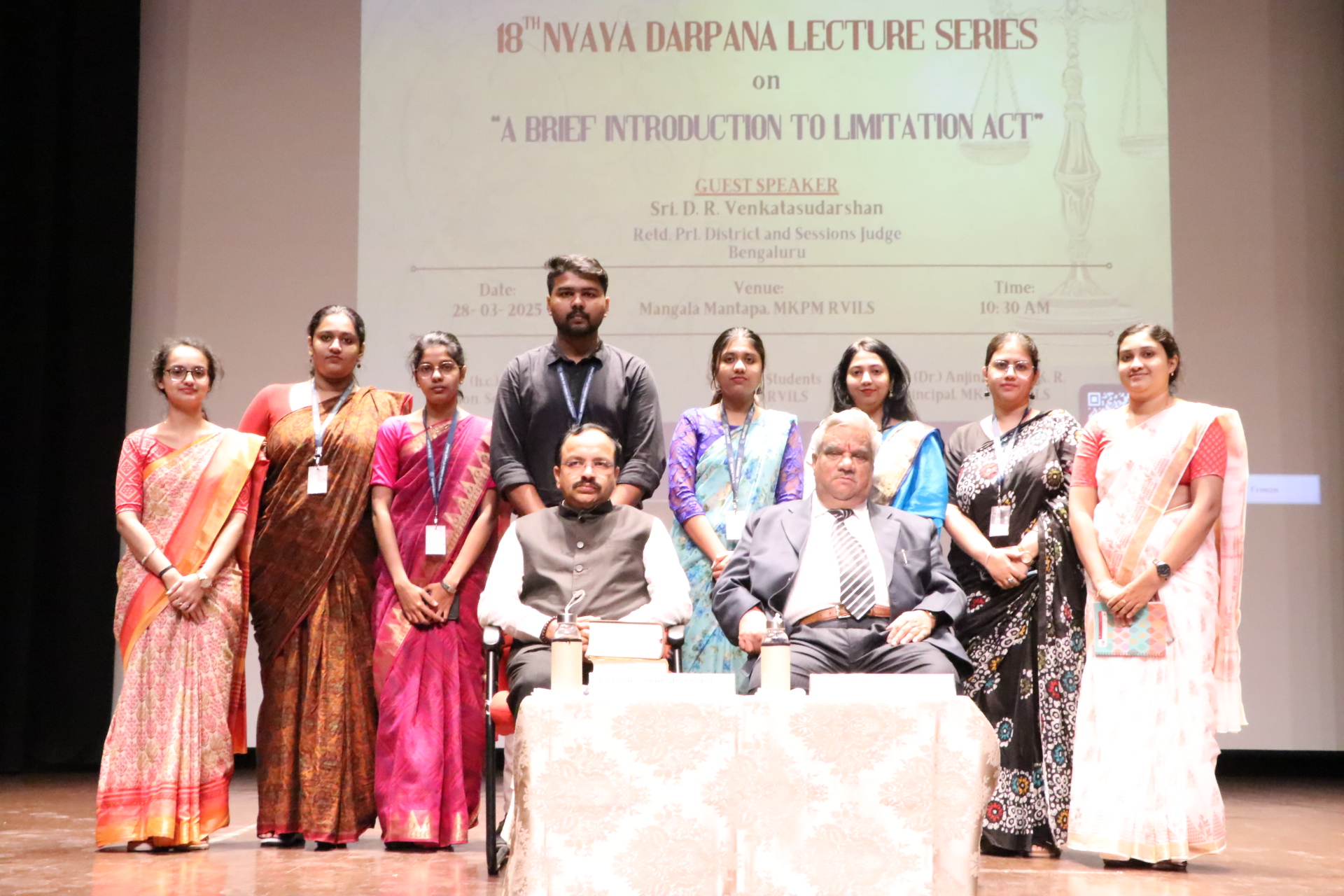
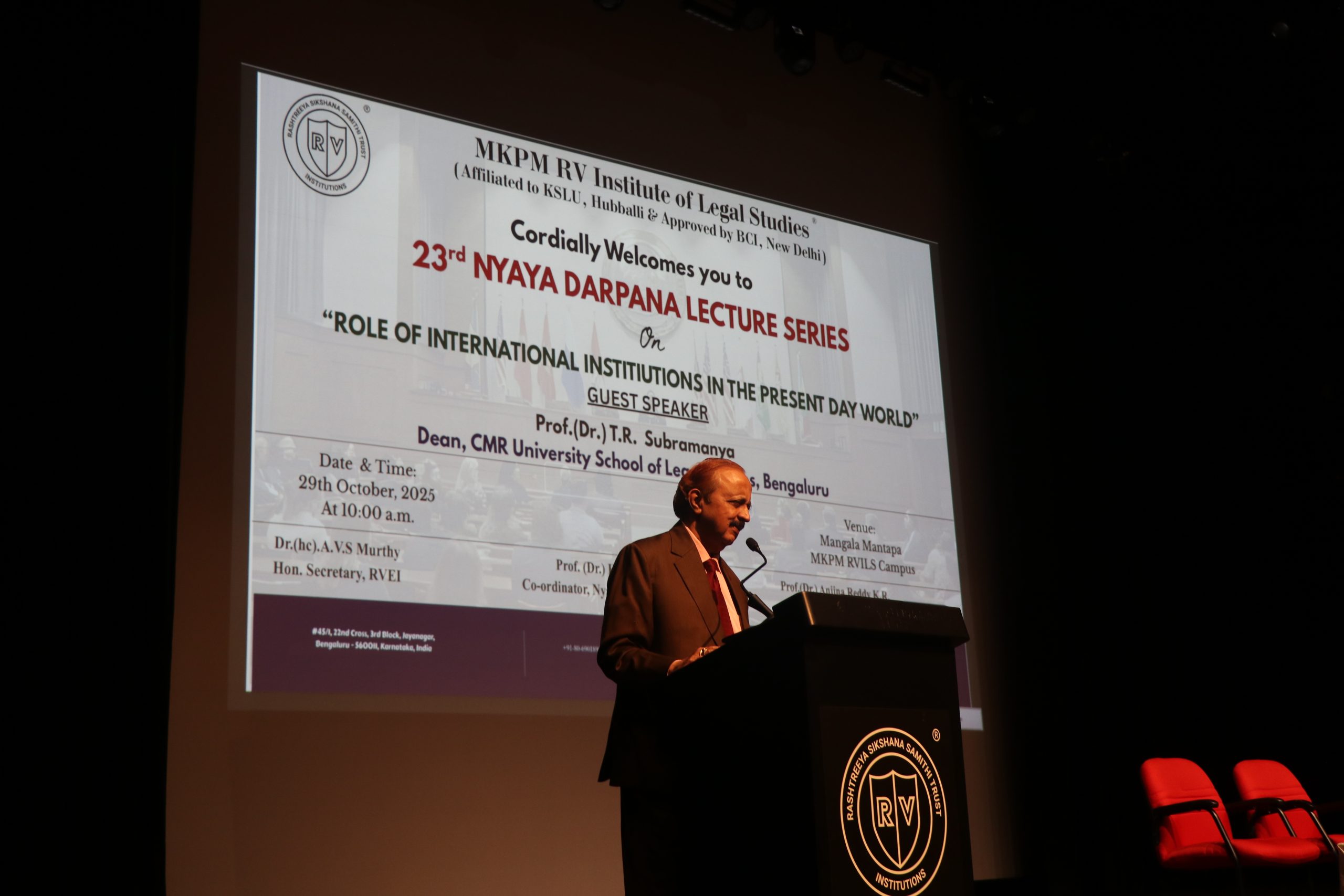
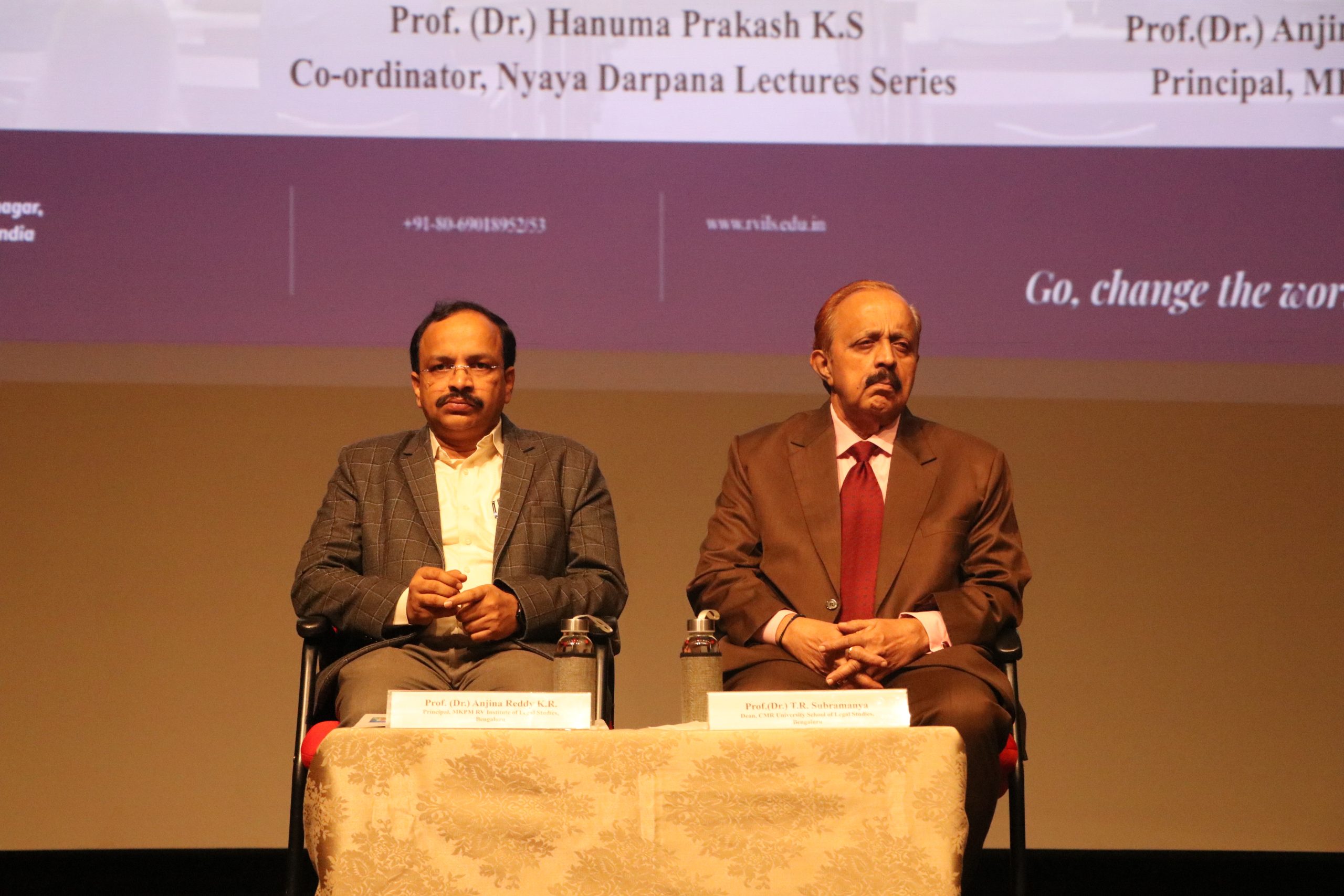
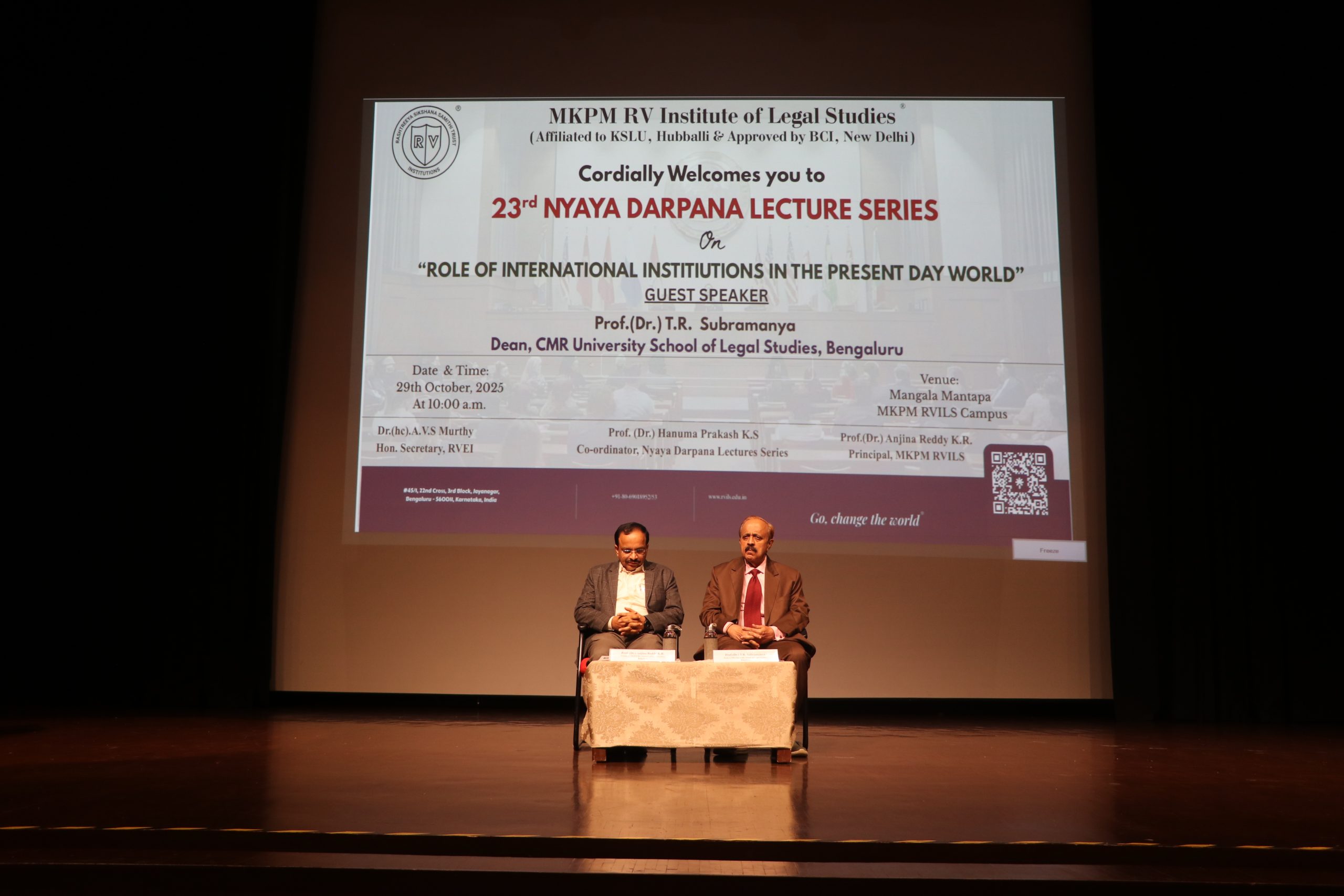
Through the Nyaya Darpana Lecture Series, eminent judges, senior advocates and academicians address emerging legal developments and landmark judgments, encouraging informed discourse beyond the syllabus.

Structured internships with advocates, law firms, corporate legal departments, NGOs, judicial offices and government institutions form an integral part of the programme. Through this experience, students gain practical insights into law and develop the confidence required for professional practice.

Short-term certification courses in areas such as intellectual property rights, mediation and legal drafting strengthen specialised skills and enhance professional preparedness.

Under faculty supervision, senior students mentor juniors in research, drafting and moot preparation, creating a structured environment for academic growth.